Should You Pay Out of Pocket for Car Accident Repairs or Use Insurance?
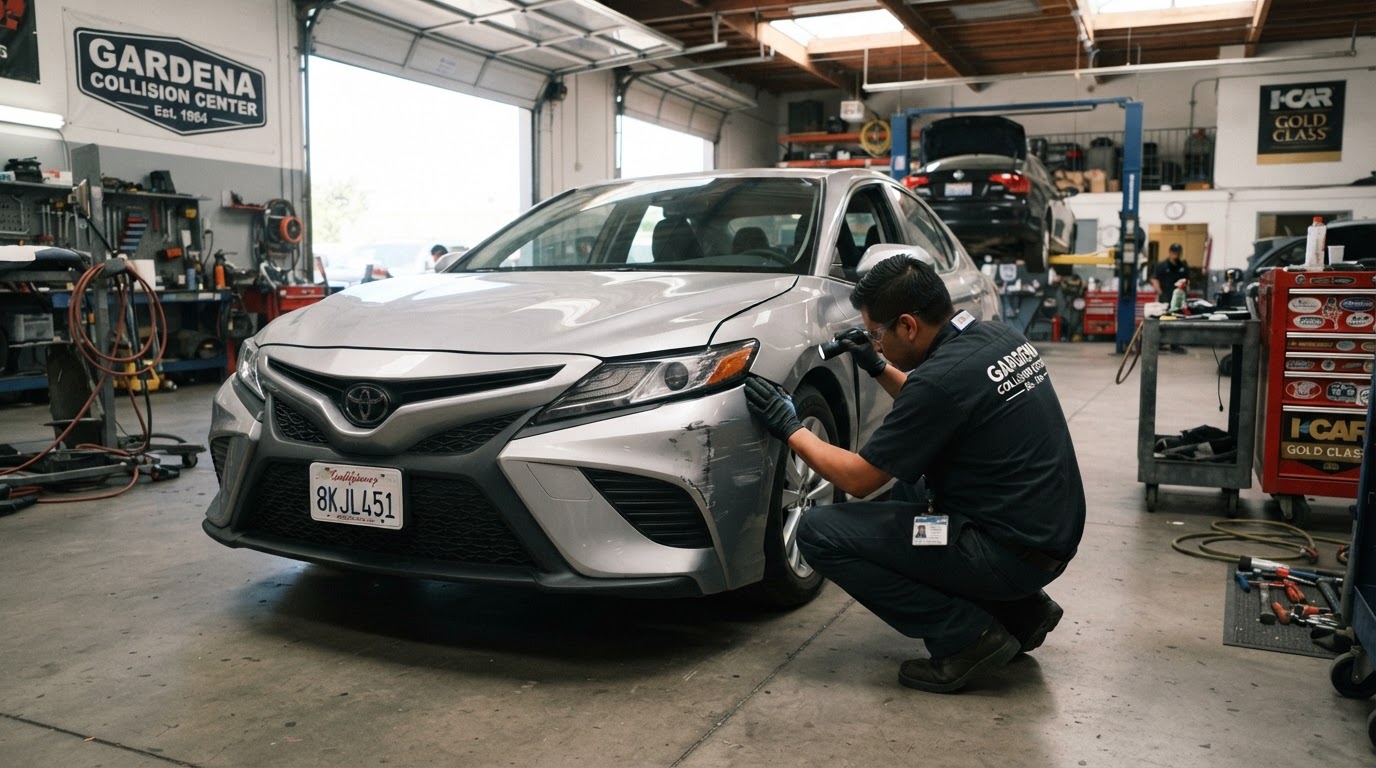
If your car has a damaged bumper, dented fender, or scraped door, you may wonder whether to pay for repairs yourself or file an insurance claim. The best choice depends on more than the initial estimate: your deductible, coverage, potential hidden damage, and possible insurance consequences can all affect the decision.
Paying out of pocket may be worth considering when the damage is limited and the confirmed repair cost is manageable. Using insurance may be more appropriate when the damage is substantial, the final cost is uncertain, or other people or property are involved.
Policy terms, reporting obligations, and the specific accident circumstances all matter. This article explains the factors that go into the decision and why a professional repair estimate is a useful first step. It is not individualized financial, legal, or insurance advice.
Can You Pay for Collision Repairs Without Using Insurance?
Generally, vehicle owners can arrange and pay for repairs themselves. You do not have to file an insurance claim to have your car fixed, and a body shop can prepare an estimate and perform repairs whether or not an insurer is involved.
Choosing how to pay for repairs, however, is separate from any applicable duties to report an accident. Depending on the circumstances, California law may require you to report a collision to law enforcement, the DMV, or your insurer regardless of who pays for the repair. Paying privately does not automatically eliminate those reporting requirements. Verify current rules with official California sources before deciding.
Paying Out of Pocket vs. Filing an Insurance Claim
The two approaches differ in who authorizes the work, who pays, and how the accident may affect your insurance going forward. The table below is a general comparison, not a guarantee of how any specific claim will be handled.
| Factor | Paying out of pocket | Using insurance |
|---|---|---|
| Initial payment | Customer generally pays repair charges | Depends on coverage and deductible |
| Insurance claim | May not be needed for repair payment | Claim must be evaluated |
| Repair scope | Customer authorizes and pays for work | Insurer reviews covered costs |
| Hidden damage | May increase customer's expense | May be considered under applicable coverage |
| Premium considerations | No claim for that repair payment | Impact varies by circumstances and law |
| Documentation | Still important | Important for claim review |
When Might Paying Out of Pocket Make Sense?
Private payment may be worth considering when the situation is straightforward and the cost is predictable. Factors that can support this approach include:
- Limited cosmetic damage, such as a scuffed bumper or scraped door
- A confirmed repair cost comfortably below your deductible
- No other damaged property or injured people involved
- The ability to afford the full repair without financial strain
- A repair scope that is reasonably understood after an estimate
These factors do not automatically make private payment the best option. Even minor-looking damage can hide additional problems, and reporting obligations may still apply. An estimate helps confirm the scope before you commit.
When Might Using Insurance Be the Better Option?
A claim may be more appropriate when the damage is significant or the final cost is uncertain. Situations that often point toward using insurance include:
- Significant collision damage across multiple panels
- Possible structural or frame damage
- Expensive replacement components or electronic systems
- Concerns about hidden damage beneath the visible impact area
- Other parties or property involved in the accident
- Uncertain liability or disputed fault
- Repair costs substantially above your deductible
Filing a claim does not guarantee coverage or payment. The insurer reviews the claim, the policy, and the approved repair scope. But when the cost is high or uncertain, the protection of applicable coverage may outweigh the considerations that favor private payment.
How Does Your Deductible Affect the Decision?
For applicable first-party collision coverage, a deductible is the amount you generally pay toward a covered repair before the insurer pays the remainder, subject to your policy terms and the approved repair amount. The deductible is one of the most important numbers in the out-of-pocket-versus-insurance decision.
A simple hypothetical example: if a covered repair costs $1,200 and your deductible is $1,000, the insurer's payment may be relatively small. These numbers are illustrative only and are not actual Corner Collision Center prices. In a situation like this, paying privately may be more practical than filing a claim, especially if there is any chance of a premium impact.
Deductibles do not work the same way for every type of claim. Liability coverage, comprehensive coverage, and collision coverage can each have different rules, and some claims may not involve your deductible at all. For a detailed look at how deductibles work after an accident, see our article on who pays the deductible after a car accident in California.
Should You File a Claim If Repairs Cost Less Than Your Deductible?
If the confirmed repair cost is below your applicable deductible, a claim under that coverage may result in little or no payment from the insurer. In that case, paying privately often makes more sense than filing a claim that provides limited benefit.
The decision is not always that simple, though. Hidden damage can push the real cost above the visible estimate, reporting obligations may still apply, and other parties may be involved. A professional estimate helps you understand the likely scope before you decide. There is no blanket recommendation that fits every situation.
Can a Small Dent or Scratch Hide More Expensive Damage?
Sometimes. An apparently minor impact can affect components beneath or behind the visible exterior panels. Damage that is not obvious from the outside may include:
- Mounting brackets and bumper attachment points
- Bumper reinforcement or energy-absorbing components
- Parking sensors, cameras, or driver-assistance components
- Adjacent panels that shifted during the impact
- Structural areas near the impact zone
- Wheel, tire, or suspension components in wheel-area impacts
Hidden damage is not always present, and a small scratch can be exactly what it appears to be. But when the impact was more than a light scrape, an assessment helps confirm whether anything lies beneath the surface. This is one reason the initial estimate may not reflect the final cost.
What If the Final Repair Cost Is Higher Than the First Estimate?
An estimate is a professional's best assessment of visible damage at the time it is written. It is not necessarily a final price. Costs can change after disassembly or further inspection reveals:
- Additional damaged components not visible from the surface
- Parts requirements that differ from the initial assumption
- Additional labor for access, removal, or refinishing
- Refinishing work on adjacent panels
- Manufacturer repair procedures that apply to the repair
If you are paying privately, a higher final cost comes directly out of your pocket. If you are using insurance, additional accident-related damage may be documented through a supplemental estimate for the insurer's review. Understanding this possibility before you decide how to pay is part of making an informed choice.
Can You Get a Body Shop Estimate Without Filing an Insurance Claim?
Yes. Requesting an estimate from a body shop does not require you to file an insurance claim. You can have your vehicle assessed, receive a written estimate, and then decide whether private payment or a claim is the better path.
This is often the most useful first step in the decision. An estimate tells you what damage is currently visible, what the likely repair scope is, and whether the cost is likely to fall near or below your deductible. With that information, the choice between paying out of pocket and using insurance becomes much clearer.
If you later decide to file a claim, the estimate and supporting documentation also help you communicate with your insurer. Starting with an estimate puts you in a better position to evaluate your options before committing to either approach.
Will Filing an Insurance Claim Raise Your Rates in California?
Premium effects depend on the circumstances, applicable California law, your insurer's rating practices, and the details of the claim. It is not accurate to say that every claim increases rates, nor that filing a claim can never affect premiums.
Where legally relevant, California distinguishes between at-fault and not-at-fault accidents, and insurers' use of accident information in rating is subject to regulation. The effect of a specific claim depends on your policy, your driving history, and how your insurer applies its rating rules. Verify current rules with the California Department of Insurance and review your policy before deciding. If premium impact is a concern, ask your insurer directly how a claim would be treated.
What If Someone Else Caused the Accident?
When another driver is at fault, you may have options involving the other party's liability insurer or your own applicable coverage. You are not necessarily limited to paying your own deductible, and the at-fault party's insurer may be responsible for covered damage.
Liability and payment can be disputed, however. The other party may deny fault, their insurer may delay or dispute the claim, or coverage limits may become an issue. In some situations, your own coverage may pay for repairs and then seek reimbursement from the at-fault party's insurer. Because these situations vary, review your options with your insurer and confirm how your policy applies.
What If You Damaged Another Person's Car?
When your vehicle damages someone else's property, a private payment arrangement does not necessarily remove your legal, contractual, or insurance reporting obligations. Third-party property damage and any injuries require additional caution.
Informal cash settlements are not a substitute for required reporting, and they can create disputes if the other party later claims additional damage or injury. If another person's vehicle or property is involved, consult your insurer and verify California reporting requirements before agreeing to any private arrangement. Documenting the damage and the agreement in writing is important either way.
Can You Change Your Mind and File Insurance After Paying for Repairs?
A later claim may be possible in some circumstances, but it is not guaranteed. Filing after repairs are complete can involve documentation, inspection, coverage, notice, and timing requirements, and the insurer may need to verify that the damage was caused by the claimed accident.
Reimbursement for work already completed is not assured. To keep your options open, preserve photographs of the original damage, the written estimate, the itemized invoice, parts information, and any communications about the accident. Notify your insurer promptly if you think you may want to pursue a claim.
What Documents Should You Keep If You Pay Privately?
Good documentation protects you whether you pay privately or later decide to involve insurance. Keep the following:
- Accident photos showing the location and circumstances
- Damage photos of all affected areas from multiple angles
- A written repair estimate from the body shop
- Your repair authorization documenting the approved scope
- An itemized invoice listing labor, parts, and refinishing
- Parts information for any components replaced
- Payment receipts showing what you paid
- Communications about the accident, including with any other party
- Any required accident reports filed with the DMV or law enforcement
Does Paying Out of Pocket Mean You Can Choose Any Body Shop?
Generally, vehicle owners can choose where to have their vehicle repaired. California provides consumer protections regarding shop choice, though there can be limitations depending on your policy and the type of coverage involved. When you pay privately, you typically have direct control over which shop performs the work.
Verify your specific rights and any limitations with authoritative California sources and your policy. For more detail, see our article on choosing your own body shop after an accident in California.
How Much Does Collision Repair Cost Without Insurance?
There is no single answer, and we do not publish generic price ranges because the cost depends on the specific vehicle and damage. The factors that influence the cost of collision repair without insurance include:
| Cost factor | What it involves |
|---|---|
| Vehicle make and model | Parts availability and construction affect cost |
| Number of damaged panels | More panels mean more labor and refinishing |
| Damage severity | Light scuffs cost less than deep dents or deformation |
| Repair vs. replacement | Repairable panels cost less than replaced components |
| Parts | OEM, aftermarket, or used parts affect price |
| Paint and refinishing | Color matching and blending add labor and materials |
| Structural damage | Frame or structural work increases cost significantly |
| Electronic systems | Sensors or calibration requirements add cost |
| Labor | Hours required for access, repair, and refinishing |
| Hidden damage | Damage found during repairs can increase the final cost |
Because these factors vary by vehicle and situation, an accurate cost requires an assessment of your specific car. An estimate gives you a realistic basis for comparing private payment against your deductible and coverage.
Questions to Ask Before Deciding How to Pay
Working through a few questions can help clarify the right choice for your situation:
- What is my deductible for the applicable coverage?
- What damage is currently visible on the vehicle?
- Could there be hidden damage beneath the surface?
- What does the written estimate include?
- Could additional repairs be needed after disassembly?
- What coverage may apply to this accident?
- Are there reporting obligations I need to meet?
- Is another person, vehicle, or property involved?
- Can I afford a higher final repair cost if hidden damage is found?
- What documentation should I preserve either way?
Collision Repair Estimates in Gardena, California
Corner Collision Center is an auto body and collision repair shop in Gardena, California. Drivers in Gardena, the South Bay, and surrounding Los Angeles communities can contact the shop for collision repair estimates, whether they are considering private payment or an insurance claim.
Corner Collision Center
1311 W 130th St Unit 7
Gardena, CA 90247
Phone: (310) 678-5596
BAR ID: ARD 312893
Services include collision repair, bumper repair, fender repair, structural/frame repair, paint matching and refinishing, and insurance claim assistance. For related topics, see our articles on who pays the deductible after a car accident, insurance estimates being lower than body shop estimates, and choosing your own body shop. To learn more about the shop's repair services, visit the collision repair page.
Not Sure Whether to Use Insurance? Start With a Repair Estimate.
Before deciding whether to pay out of pocket or file an insurance claim, it helps to understand the damage and the proposed repairs. Corner Collision Center in Gardena can assess your vehicle and provide an estimate to help you evaluate your options.
Frequently Asked Questions
Can I pay for collision repair without insurance?
Generally, yes. Vehicle owners can arrange and pay for repairs themselves without filing an insurance claim. Choosing how to pay for repairs is separate from any legal or contractual duties to report an accident to an insurer, law enforcement, or the DMV. Those reporting obligations can still apply even when you pay privately.
Is it better to pay out of pocket or use insurance?
It depends on the damage, your deductible, possible hidden damage, whether other people or property are involved, and how a claim might affect your premiums. Paying out of pocket may make sense for limited, well-understood damage below your deductible. Insurance may be more appropriate for substantial damage or uncertain costs. A professional repair estimate helps you evaluate the options.
Should I file a claim for a minor accident?
There is no universal answer. A minor accident may still involve hidden damage, reporting obligations, or other parties. If the confirmed repair cost is well below your deductible and no one else is involved, private payment may be reasonable. If liability is unclear or other property is damaged, consult your insurer and review your policy.
What if repair costs less than my deductible?
Under applicable first-party collision coverage, a repair cost below your deductible may result in little or no payment from the insurer for that repair. In that situation, paying privately may be more practical. However, hidden damage or reporting obligations can still affect the decision, so an estimate helps clarify the real scope first.
Can I get an estimate without filing a claim?
Yes. Requesting a repair estimate from a body shop does not require you to file an insurance claim. Getting an estimate first lets you understand the likely repair scope and cost before deciding whether private payment or a claim makes more sense for your situation.
Will insurance rates increase after a claim?
Premium effects depend on the circumstances, applicable California law, your insurer's rating practices, and claim details. At-fault accidents may affect rates differently than not-at-fault accidents. Not every claim increases premiums, and filing a claim does not guarantee a rate change. Confirm specifics with your insurer and the California Department of Insurance.
Does a not-at-fault accident affect insurance rates in California?
California rules limit how insurers can use certain accident information in rating, but the effect can depend on the circumstances and the insurer. A not-at-fault accident may be treated differently than an at-fault one. Verify current rules with the California Department of Insurance and your policy before deciding.
Can minor bumper damage hide additional problems?
Sometimes. A scuffed or dented bumper can conceal damage to mounting brackets, reinforcement components, sensors, adjacent panels, or structural areas. Hidden damage is not always present, but an assessment helps confirm whether the visible damage is the full extent of the problem.
What if the repair costs more than expected?
Initial estimates may not capture every damaged component. After disassembly or further inspection, additional parts, labor, refinishing, or manufacturer procedures can increase the cost. If you are paying privately, a higher final cost comes out of your pocket. If you are using insurance, additional accident-related damage may be documented through a supplemental estimate for insurer review.
Can I file an insurance claim after paying for repairs?
A later claim may be possible in some circumstances, but it can involve documentation, inspection, coverage, and notice requirements. Reimbursement is not guaranteed. Preserve photographs, estimates, invoices, and communications, and notify your insurer promptly if you may want to pursue a claim.
Do I have to report an accident if I pay privately?
Reporting obligations can apply regardless of how you pay for repairs. California law may require reporting to the DMV or law enforcement depending on injury, death, or property damage thresholds. Paying privately does not automatically remove these duties. Verify current requirements with official California sources.
Can I pay cash if I hit another person's car?
A private payment arrangement does not necessarily remove legal, contractual, or insurance reporting obligations. Third-party property damage and injuries require extra caution, and informal cash settlements are not a substitute for required reporting. Consult your insurer and verify California requirements before agreeing to a private settlement.
Will insurance cover repairs if I change my mind?
If you start with private payment and later want to use insurance, coverage depends on your policy, timely notice, documentation, inspection, and the insurer's review. Reimbursement for work already completed is not guaranteed. Preserve documentation and contact your insurer as early as possible.
Can I choose my own body shop?
Generally, vehicle owners can choose where to have their vehicle repaired. California provides consumer protections regarding shop choice, but there can be limitations depending on your policy and coverage. Confirm your rights with authoritative California sources and review your policy details.
Is it cheaper to repair a bumper or replace it?
It depends on the damage. Minor scuffs, paint transfer, or small dents may be repairable, while cracked, torn, or structurally compromised bumper covers may require replacement. The cost depends on the vehicle, damage severity, parts, and refinishing. An assessment of your specific vehicle provides an accurate comparison.
Does paying out of pocket affect the repair process?
The physical repair process is generally the same. The main difference is who authorizes and pays for the work. When you pay privately, you authorize the repair scope directly and are responsible for the full cost, including any increase if hidden damage is found during repairs.
What documents should I keep?
Keep accident photos, damage photos, a written repair estimate, repair authorization, an itemized invoice, parts information, payment receipts, communications about the accident, and any required accident reports. Good documentation supports a later insurance claim or dispute if one arises.
Where can I get a collision repair estimate in Gardena?
Corner Collision Center, located at 1311 W 130th St Unit 7, Gardena, CA 90247, provides collision repair estimates along with bumper repair, fender repair, structural/frame repair, paint matching and refinishing, and insurance claim assistance. Call (310) 678-5596 to request an estimate.