Car Frame Damage After an Accident: Can It Be Repaired Safely?
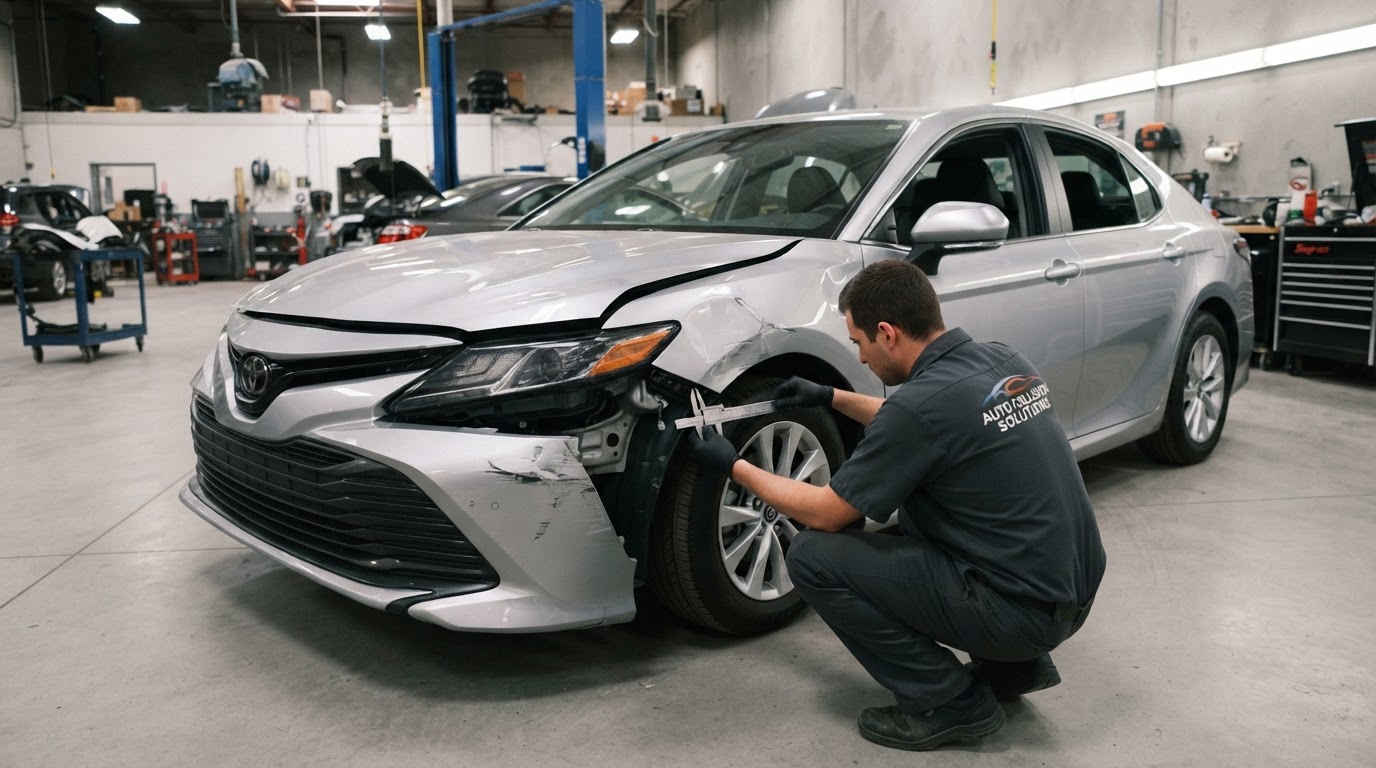
Frame damage does not automatically mean a car is beyond repair. Some collision-related structural damage can be repaired using vehicle-specific manufacturer procedures, while other damage may require component replacement or make repair impractical. The answer depends on the vehicle's construction, where the damage occurred, and the extent of the deformation.
The most important question is not simply whether a frame can be straightened, but whether the vehicle can be repaired according to applicable manufacturer requirements.
This article explains what car frame damage actually means, how structural damage is assessed, when repair may be possible, and what to consider before authorizing collision repairs. It is not a remote diagnosis of any specific vehicle.
What Is Frame Damage on a Car?
"Frame damage" usually refers to damage to a vehicle's structural components — the parts that give the vehicle its shape, support its weight, and provide mounting points for suspension, steering, and body panels. It is different from cosmetic body damage, which affects appearance without changing the underlying structure.
A dented bumper cover, a scratched fender, or a bent trim piece does not automatically mean the frame is damaged. Many exterior panels are bolt-on parts that can be repaired or replaced without affecting the structure beneath them. Structural damage involves the components those panels mount to — the rails, pillars, floor, or other load-bearing members that were designed to specific dimensions.
The difference matters because structural components are held to manufacturer specifications, and repairing them correctly often requires vehicle-specific procedures, measurement, and equipment. Cosmetic damage, by contrast, may be addressed with panel repair or refinishing alone.
Unibody vs. Body-on-Frame: What's the Difference?
How a vehicle is built affects how structural damage is assessed and repaired. The two common construction types are unibody and body-on-frame.
| Feature | Unibody | Body-on-frame |
|---|---|---|
| Basic construction | Body and structural components work together as one unit | Body mounted to a separate frame |
| Common applications | Many passenger cars and crossovers | Some trucks and SUVs |
| Collision assessment | Evaluate affected body structure | Evaluate frame and body mounting areas |
| Repair approach | Vehicle-specific structural procedures | Vehicle-specific frame and body procedures |
Both designs can sustain structural damage in a collision. Neither is repaired the same way in every case — the appropriate approach depends on the vehicle, the location and extent of the damage, and the manufacturer's repair procedures.
What Are the Signs of Frame Damage After an Accident?
After a collision, certain changes can indicate that structural components may have moved or deformed. Possible signs include:
- Uneven panel gaps between doors, hood, trunk, or fenders
- Doors that no longer close or latch properly
- Hood or trunk that sits misaligned
- Visible deformation of structural components
- Wheel position changes, such as a wheel sitting pushed back or at an angle
- Changes in how the vehicle tracks down the road
- Damage near structural mounting points
None of these symptoms alone proves frame damage. A door that will not close can come from a bent hinge, a shifted striker, or body-panel damage rather than the underlying structure. Uneven gaps can result from a shifted bolt-on panel. The only way to know whether structural components are involved is to inspect the affected area and, where indicated, measure it against manufacturer specifications.
Can a Minor Accident Cause Frame Damage?
Damage severity depends on the impact location, the force involved, the vehicle's construction, and which components were affected. A lower-speed collision in a vulnerable area — such as directly into a suspension mounting point — can sometimes cause structural damage even when the visible body damage looks limited.
That does not mean every minor collision causes hidden structural damage. Many low-speed impacts result in cosmetic or bolt-on panel damage with no deformation of the structure beneath. The risk depends on where and how the impact occurred, which is why an assessment is needed rather than an assumption based on speed or visible damage alone.
Can a Bent Car Frame Be Repaired?
Some structural damage may be repairable, depending on the vehicle and the applicable manufacturer repair procedures. When the deformation is within allowable limits and the manufacturer permits correction, a repair facility may be able to restore the affected components to specification.
Other situations may require replacement of specific structural components, or may not be repairable within applicable requirements. Manufacturer procedures often specify which sections can be repaired, which must be replaced, and which attachment methods are allowed. A blanket statement that "a bent frame can always be straightened" is not accurate — the answer depends on the specific vehicle and damage.
Does Frame Damage Mean My Car Is Totaled?
No. Structural damage does not automatically establish a total loss. A vehicle is generally considered a total loss when the cost of repair, combined with other applicable factors, exceeds a threshold defined by the policy and state rules — not simply because the word "frame" appears on an estimate.
Factors that can affect a total-loss determination include:
- The estimated repair cost
- The vehicle's pre-loss value
- The extent of the damage
- Applicable insurance rules and state regulations
- Whether the damage is repairable within manufacturer requirements
A vehicle with frame damage can still be repairable if the repair cost remains below the applicable threshold and the damage can be corrected according to manufacturer procedures. For a fuller explanation, see our article on whether your car is totaled or repairable after an accident.
How Do Collision Repair Shops Check for Structural Damage?
A general structural assessment process helps a shop understand what changed during the collision:
- Inspect visible collision damage.
- Review the affected vehicle areas.
- Identify structural components in the impact zone.
- Examine mounting points and surrounding panels.
- Use appropriate measurement methods where indicated.
- Compare findings with manufacturer specifications.
- Review vehicle-specific repair procedures.
- Determine the appropriate repair plan.
Not every vehicle needs a full structural measurement. Measurement is typically used where the impact, symptoms, or visible deformation suggest structural involvement. The goal is to identify what actually moved or deformed before deciding how to repair it.
What Is Computerized Frame Measuring?
Computerized frame measuring systems compare a vehicle's actual dimensions against manufacturer reference specifications. By measuring key points around the structure, the system can help identify where components have moved or deformed and by how much.
Measuring equipment is a tool used in the assessment process — it is not a guarantee that damage can be repaired. The measurements inform the repair plan, but the manufacturer's procedures still determine whether correction, component replacement, or another approach is appropriate. Corner Collision Center uses computerized structural measuring as part of its collision repair process.
Can Frame Straightening Restore a Vehicle?
Some structural repair procedures involve controlled correction of deformation — pulling or pressing a component back toward specification. Others require replacement of the damaged section instead. Which approach is appropriate depends on manufacturer restrictions, the materials involved, the damage location, and the approved repair methods.
Not every structural component can be pulled or straightened. Some materials and sections are designated by the manufacturer as replace-only, and some damage patterns fall outside allowable correction limits. The repair plan has to follow the procedures for your specific vehicle rather than a one-size-fits-all approach.
Why Do Manufacturer Repair Procedures Matter?
Vehicle-specific manufacturer procedures define how structural repairs should be performed for a given model. They address:
- Whether a section is repairable or must be replaced
- The structural materials used and how they can be worked
- Approved replacement sections and sectioning locations
- Approved attachment methods, such as welding or bonding
- Measurement requirements and tolerances
- Corrosion protection steps
- Safety-system considerations, where applicable
Following these procedures matters because a structural repair that does not meet the manufacturer's requirements may not restore the vehicle as designed. Universal repair techniques that are not specified for a particular vehicle should not be assumed to be appropriate.
Can Frame Damage Affect Wheel Alignment?
Structural damage that affects suspension mounting geometry can influence wheel alignment or handling. If the points where suspension components attach have moved, the wheels may no longer sit at the intended angles, which can change how the vehicle drives.
Alignment problems do not automatically indicate structural damage, though. A bent suspension component, a shifted bolt-on part, or even a tire issue can cause similar symptoms. For more on related symptoms, see our article on a car pulling to one side after an accident.
Can Structural Damage Affect Airbags and Safety Systems?
Depending on the impact location and severity, a collision can affect vehicle safety systems. Side-impact sensors, airbags, seatbelt pretensioners, and advanced driver-assistance features may be involved when the damage reaches their mounting areas or wiring.
Not every frame repair requires airbag replacement or ADAS calibration. Vehicle-specific inspection, repair, and calibration requirements should be followed where applicable, and the need for those operations depends on what was affected by the specific collision.
Is a Car Safe to Drive With Frame Damage?
Suspected structural damage requires professional assessment before the vehicle is driven. Warning signs that warrant caution include:
- Significant steering changes
- Wheel-position abnormalities
- Difficulty controlling the vehicle
- Loose or displaced components
- Major visible deformation
When safe operation is uncertain, avoid driving the vehicle and arrange appropriate assistance or towing. Roadworthiness cannot be determined remotely — it requires an inspection of the specific vehicle. For broader guidance, see our article on whether a car is safe to drive after an accident.
Is a Car Safe After Frame Repair?
Safety after a structural repair depends on the damage, the vehicle, and whether the repairs meet applicable manufacturer procedures and requirements. A repair that follows the specified procedures is designed to restore the affected structure as intended.
It would not be accurate to promise that every repaired vehicle is equivalent to a new vehicle, or that every structural repair restores all original performance characteristics. The appropriate measure is whether the repair was completed according to the manufacturer's requirements for that specific vehicle.
How Much Does Car Frame Repair Cost?
Structural repair cost varies widely because the work can range from a minor correction to extensive component replacement and refinishing. Rather than a single price, the cost depends on these factors:
| Cost factor | What it affects |
|---|---|
| Vehicle make and model | Construction type, parts pricing, and labor requirements |
| Construction type | Unibody vs. body-on-frame procedures |
| Damage location | Which structural areas and mounting points are involved |
| Structural material | Steel, aluminum, or advanced materials and their repair limits |
| Measurement requirements | Computerized measuring and setup time |
| Repair vs. replacement | Correction labor or component replacement and sectioning |
| Labor | Hours required for structural work |
| Parts | Replacement structural components and hardware |
| Adjacent body damage | Panels, bumpers, and trim near the structural area |
| Paint and refinishing | Surface prep, color matching, and blending where required |
| Safety-system procedures | Sensor, airbag, or calibration work where applicable |
Because these factors depend on the specific vehicle and impact, an accurate cost requires an assessment of your car.
Will Insurance Cover Frame Damage?
Whether insurance covers structural damage depends on:
- Your applicable policy and coverage
- The circumstances of the accident
- Liability for the collision
- Your deductible
- The insurer's assessment of the damage
- Whether the damage is repairable within applicable requirements
Insurance payment is not guaranteed. Document the damage, keep your claim number and communications, and confirm coverage with your insurer before authorizing repairs.
What If Frame Damage Is Found After the Initial Insurance Estimate?
An initial insurance estimate may focus on visible damage and not include every structural component that was affected. Structural deformation can be difficult to identify from an exterior inspection alone, especially before panels are removed.
When additional accident-related damage is identified during the repair process, a repair facility can document it and submit a supplemental estimate to the insurer where applicable. Supplement approval is not guaranteed. For a full explanation, see our article on an insurance estimate lower than the body shop estimate.
Should I Repair My Car or Replace It After Structural Damage?
Whether to repair or replace a vehicle after structural damage depends on several factors:
- Whether the damage is repairable per manufacturer procedures
- The estimated repair cost
- The vehicle's value
- The insurance company's determination
- Manufacturer requirements for the specific vehicle
- Your own circumstances and preferences
There is no universal recommendation. A professional assessment of the specific vehicle helps clarify whether repair is feasible and what it would involve.
Structural Collision Repair in Gardena, California
Corner Collision Center is an auto body and collision repair shop in Gardena, California. Drivers in Gardena, the South Bay, and surrounding Los Angeles communities can contact the shop for collision damage assessment and repair estimates, including structural and frame repair work performed according to manufacturer procedures.
Corner Collision Center
1311 W 130th St Unit 7
Gardena, CA 90247
Phone: (310) 678-5596
BAR ID: ARD 312893
Services include collision repair, structural and frame repair, bumper repair, fender repair, paint refinishing, and insurance claim assistance. To learn more about the shop's collision and structural repair services, visit the collision repair page.
Concerned About Frame Damage? Get a Professional Collision Repair Assessment.
If your vehicle has visible structural damage, uneven panel gaps, or handling changes after an accident, Corner Collision Center in Gardena can assess collision-related damage and explain the available repair options.
Frequently Asked Questions
Can a car frame be repaired after an accident?
Some collision-related structural damage can be repaired using vehicle-specific manufacturer procedures, while other damage may require component replacement or make repair impractical. Whether a frame can be repaired depends on the vehicle's construction, where the damage occurred, and the extent of the deformation. An assessment of the specific vehicle determines what is possible.
Does frame damage mean a car is totaled?
No. Structural damage does not automatically establish a total loss. A vehicle is generally considered a total loss when the repair cost, combined with other applicable factors, exceeds a threshold defined by the policy and state rules. A vehicle with frame damage can still be repairable if the cost remains below that threshold and the damage can be corrected per manufacturer procedures.
What are the signs of frame damage?
Possible signs include uneven panel gaps, doors that no longer close properly, a misaligned hood or trunk, visible deformation, wheel-position changes, changes in how the vehicle tracks, and damage near structural mounting points. None of these symptoms alone proves frame damage — an inspection is needed to confirm whether structural components are involved.
Can minor accidents cause structural damage?
Damage severity depends on impact location, force, vehicle construction, and which components were affected. A lower-speed impact in a vulnerable area can sometimes cause structural damage even when visible body damage looks limited. Not every minor collision causes hidden structural damage, which is why an assessment is needed rather than an assumption based on speed alone.
What is the difference between frame and unibody damage?
Unibody vehicles combine the body and structural components into one unit, while body-on-frame vehicles mount the body to a separate frame. Both designs can sustain structural damage. The assessment and repair approach differ and depend on the vehicle's construction and the manufacturer's repair procedures.
Can a bent frame be straightened?
Some structural deformation can be corrected through controlled straightening when the manufacturer permits it and the deformation is within allowable limits. Other situations require component replacement or are not repairable within applicable requirements. The answer depends on the specific vehicle and damage, not a universal rule.
Is frame straightening always possible?
No. Manufacturer procedures often specify which sections can be corrected and which must be replaced, and some materials or damage patterns fall outside allowable correction limits. Frame straightening is one possible repair method, not a guarantee for every bent frame.
How do body shops measure frame damage?
Collision repair shops inspect visible damage, identify structural components in the impact zone, examine mounting points, and use appropriate measurement methods where indicated — including computerized frame measuring systems that compare actual dimensions against manufacturer specifications. Not every vehicle requires full structural measurement.
Can frame damage affect wheel alignment?
Structural damage that affects suspension mounting geometry can influence wheel alignment or handling. Alignment problems do not automatically indicate structural damage, though — a bent suspension component, a shifted bolt-on part, or a tire issue can cause similar symptoms.
Can structural damage affect airbags?
Depending on impact location and severity, a collision can affect side-impact sensors, airbags, seatbelt pretensioners, and driver-assistance features. Not every frame repair requires airbag replacement or ADAS calibration. Vehicle-specific inspection and repair requirements should be followed where applicable.
Is a car safe to drive with frame damage?
Suspected structural damage requires professional assessment before the vehicle is driven. Warning signs include significant steering changes, wheel-position abnormalities, difficulty controlling the vehicle, loose or displaced components, and major visible deformation. When safe operation is uncertain, arrange appropriate assistance or towing.
Is a car safe after structural repairs?
Safety after a structural repair depends on the damage, the vehicle, and whether the repairs meet applicable manufacturer procedures and requirements. A repair that follows the specified procedures is designed to restore the affected structure as intended, but not every repair makes a vehicle equivalent to new.
How much does car frame repair cost?
Cost depends on the vehicle make and model, construction type, damage location, structural material, measurement requirements, repair versus replacement, labor, parts, adjacent body damage, paint and refinishing, and any safety-system procedures. Because these factors vary by vehicle and impact, an accurate cost requires an assessment of the specific car.
Will insurance cover structural damage?
Coverage depends on your applicable policy, the accident circumstances, liability, your deductible, the insurer's assessment, and whether the damage is repairable within applicable requirements. Insurance payment is not guaranteed. Document the damage and confirm coverage with your insurer before authorizing repairs.
What if hidden frame damage is found later?
An initial insurance estimate may not include every structural component affected. When additional accident-related damage is identified during the repair process, a repair facility can document it and submit a supplemental estimate to the insurer where applicable. Supplement approval is not guaranteed.
Does a damaged frame always need replacement?
No. Some structural damage can be repaired through correction when the manufacturer permits it and the deformation is within allowable limits. Replacement is required when the manufacturer designates a section as replace-only, when the damage exceeds correction limits, or when repair labor is not practical. An inspection determines which applies.
How long does structural collision repair take?
Repair time depends on the extent of the structural damage, whether components are repaired or replaced, parts availability, measurement and setup, refinishing, and any safety-system procedures. Because these factors vary, a reliable timeline requires an assessment of the specific vehicle.
Where can I get frame repair in Gardena, California?
Corner Collision Center, located at 1311 W 130th St Unit 7, Gardena, CA 90247, provides collision repair, structural and frame repair, bumper repair, fender repair, paint refinishing, and insurance claim assistance. Call (310) 678-5596 to request a collision repair estimate.